
Custom-compounded sublingual allergy drops, the treatment at the center of the daily-antihistamine conversation.
Every spring it starts the same way. One itchy morning. Then two. By the third week you're burning through antihistamines and can't remember the last time you took a full breath through your nose. And every year it seems to start a little earlier, and hit a little harder.
That escalation isn't in your head, and allergists have a name for it. They call it the Sneeze Spiral. Each time your immune system reacts to pollen, dust, or pet dander, it gets a little more efficient at reacting. The response compounds on itself. What was a mild nuisance at 25 becomes a season-long siege at 35.
Think of your immune system like an overactive alarm. In roughly one in four adults, it treats harmless proteins in pollen, dust, and dander as intruders, and every exposure teaches it to fire faster and louder the next time. Antihistamines quiet the alarm for a few hours. They never touch the wiring.
But the wiring is exactly what a decades-old treatment is built to reset. It has 90 years of clinical history, FDA-approved variants on U.S. pharmacy shelves, and a growing body of peer-reviewed research supporting long-term remission rather than daily symptom management.
Doctors call it sublingual immunotherapy, or SLIT.
No pills, no shots, no daily runs to the pharmacy. Patients of Curex describe a quiet reduction in reactivity that keeps building month over month, until the spiral doesn't just slow down, it reverses.
Here's how one patient described the moment it clicked:
“Four months in, I was halfway through a Saturday hike before I realized I hadn't rubbed my eyes once. That's when I knew it was working.”
Elise K., Verified Patient
The “Immune Overreach”: Why Your Body Attacks a Grain of Pollen Why Your Body Attacks Pollen
The reason isn't psychological. It's immunological. Your immune system produces antibodies (IgE) to specific pollen, mold, dust, and dander proteins because at some point it was miscoded to see them as threats. Every future exposure lights up mast cells, histamine floods the tissue, and the whole cascade repeats. Immunologists call this Immune Overreach. It's the dominant reason a healthy 35-year-old wakes up in April feeling like they have the flu.

Your body isn't broken. It's running a threat-response protocol against something that was never a threat. Antihistamines don't fix it, because antihistamines don't retrain the alarm. To break the Sneeze Spiral, you have to teach the immune system that pollen is safe.
The Science of “Tolerance Building”: Why a Drop Under the Tongue Rewires an Allergy The Science of Tolerance Building
Every immune reaction has what allergists call a threshold, the minimum exposure required to trigger it. When your threshold is low, a walk past a cedar tree ruins your afternoon. When it's high, you can spend a weekend in a garden without noticing. Below that threshold, the immune system quietly logs the exposure as safe. Sublingual immunotherapy uses this on purpose. Tiny escalating doses of the exact allergens you react to, held under the tongue for a minute, below the reaction threshold, day after day.
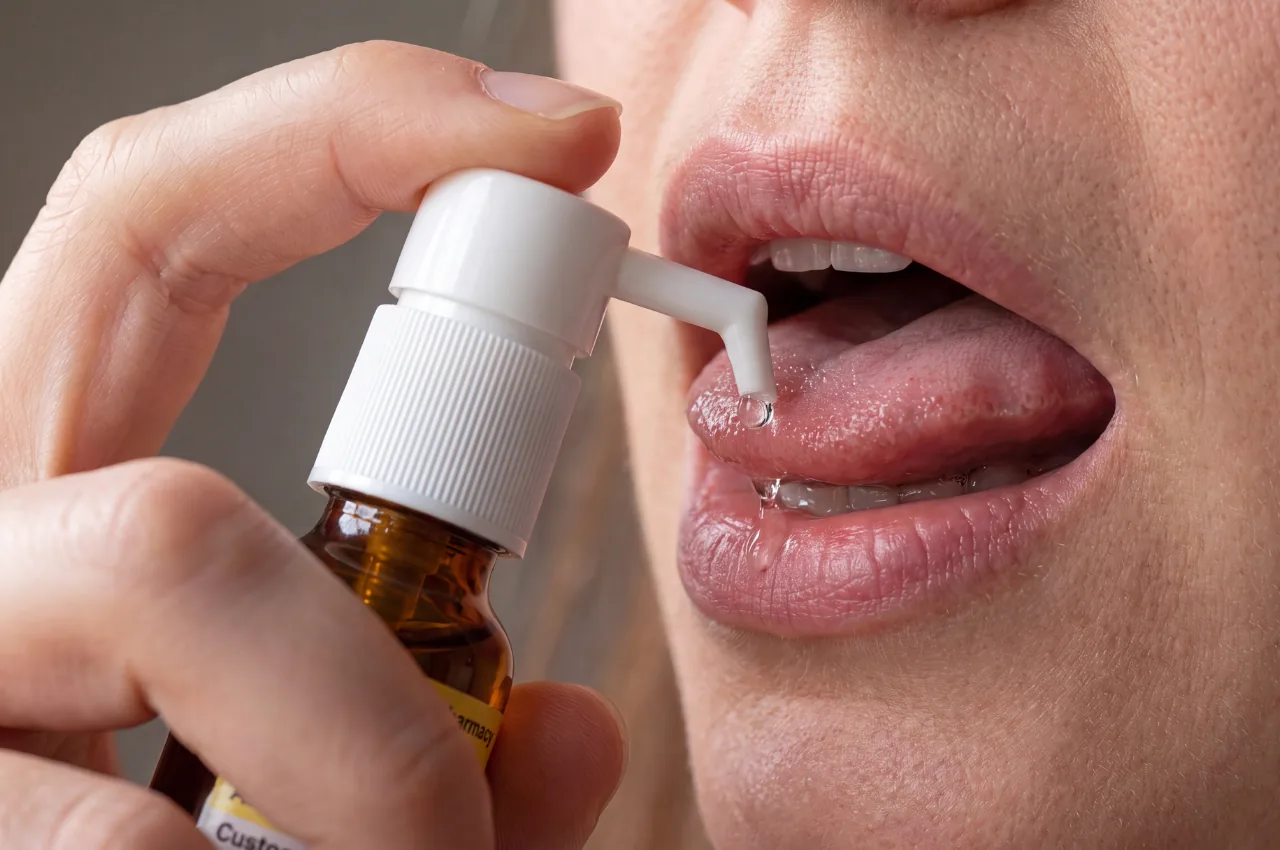
Over months, your immune system stops recognizing the allergen as a threat and starts recognizing it as background. The threshold moves up. Symptoms move down. You don't feel numbed. You feel like you don't react.
THE 90-DAY WINDOW
Most patients report the first real drop in symptoms between months 2 and 4. It's the time it takes for immune tolerance to compound. Every allergy season you wait extends the runway. There's no version of this where starting closer to peak pollen helps.
The Difference: Why Most Allergy Products Fight the Symptom, Not the Cause The Difference: Cause vs. Symptom
Most $8 pharmacy shelves are antihistamines and decongestants, the kind that blunt the histamine surge after it's already happening. Neither retrains the immune system. Neither ends the annual cycle. The other established option, allergy shots, does retrain the immune system, but requires 100+ in-office injections over 3–5 years and access to an allergist who accepts your insurance.
Curex does something different. A licensed doctor reviews your allergy test results, prescribes custom-compounded sublingual drops for the exact allergens you react to, and ships them in a discreet dropper bottle. Same immune retraining as shots, delivered at home. It's the only telehealth path CAAEE has identified that combines a real prescription workflow with a genuine at-home format.
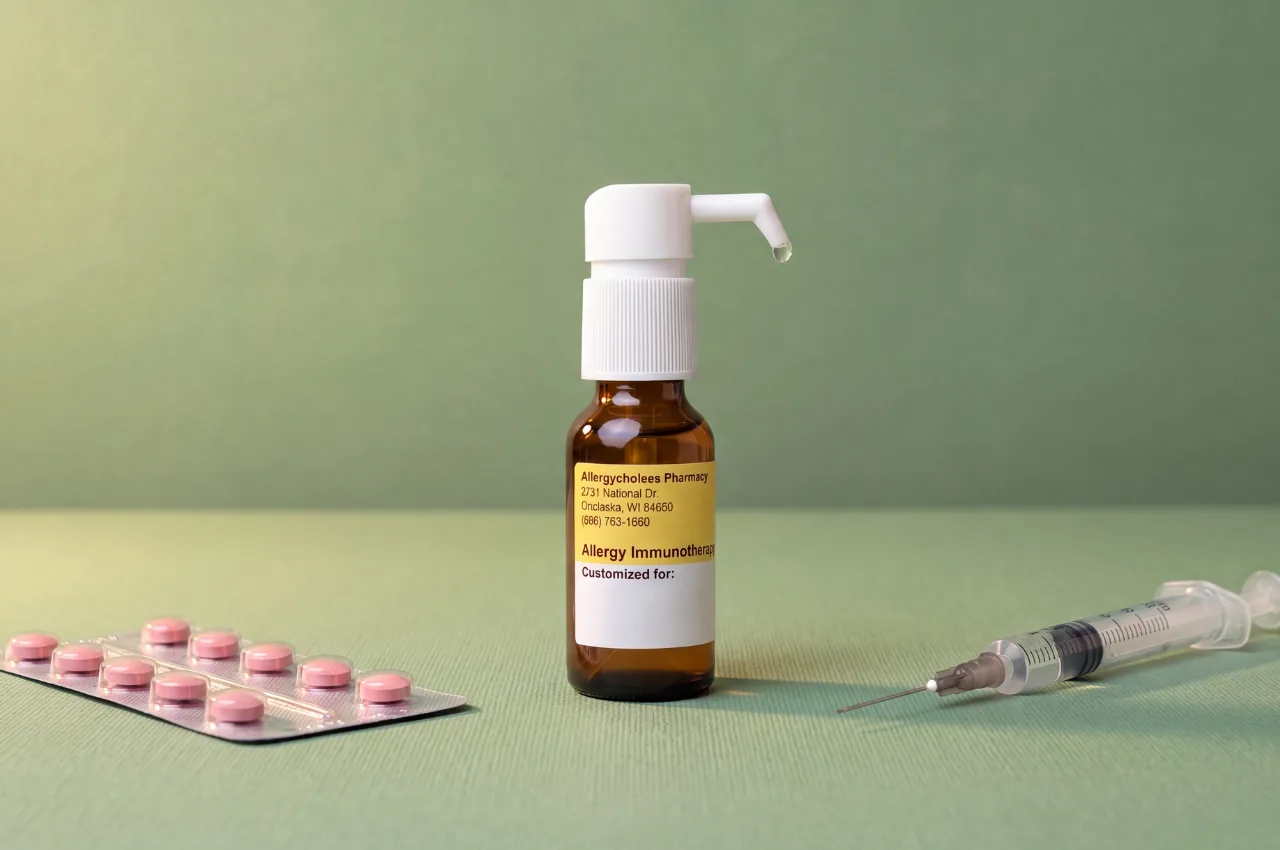
Each bottle contains a precisely measured, prescription-strength blend of the allergens on your test panel. No pill-a-day, no needle, no pharmacy runs, no vague “seasonal support” blends. You're either training your immune system with a licensed doctor's prescription, or you're masking symptoms.
Curex has confirmed increased demand for at-home allergy testing ahead of spring pollen season. Check availability →
How Curex Stacks Up
Most adults reach for a daily antihistamine or a nasal spray when the season starts. Neither retrains the immune system. They both borrow against the next allergy season. Curex works on the immune reaction itself, so the effect builds instead of fading, and once it's built, it lasts.
READER OFFER
Start Curex, your first 2 months are free
Prescription sublingual immunotherapy, custom-compounded for your allergens and mailed to your door. Start an annual plan and get your first 2 months free.
Get 2 Months Free2 months free applies to new annual immunotherapy plans partnered with Curex. Free U.S. shipping · Cancel any time
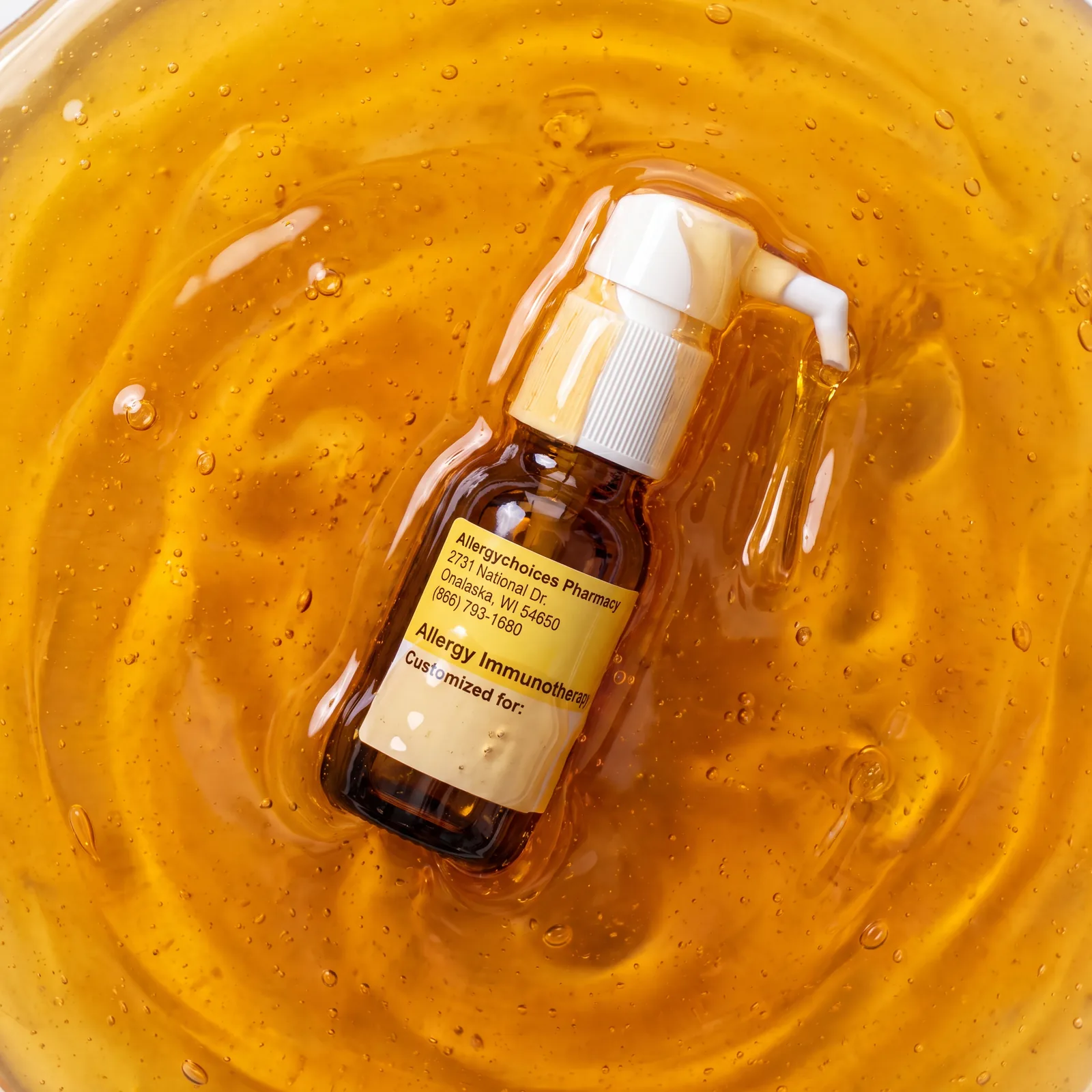
What to expect in your first 90 days
Days 1–30
Baseline & buildup
The first month is a build-up phase. Your prescription starts at very low concentrations and increases weekly. Most patients feel roughly the same as they did before, some report mild tingling under the tongue for a minute after each drop. Consistency at this stage is the single biggest predictor of later results.
Days 31–90
The first drop
This is when most patients report something specific: fewer sneezing fits, less reliance on daily antihistamines, a noticeable reduction in nighttime congestion. Sleep quality also tends to improve in this window as nasal breathing returns.
Months 3–12
A new baseline
By the end of the first year, most patients describe their allergy response as a fraction of what it used to be. The clinical goal is 3–5 years of daily drops to lock in long-term tolerance, but the day-to-day symptom shift arrives long before that.
Why Most Allergy Products Fall Short
Walk into any pharmacy and there's a wall of allergy products: 24-hour antihistamines, decongestant nasal sprays, mast-cell stabilizers, saline rinses, HEPA filters, herbal drops. They all promise the same thing. Most deliver on none of it long term. They treat symptoms instead of the underlying immune miscoding. Antihistamines block the histamine after it's already surged. Nasal sprays reduce swelling without addressing the reaction. None of them retrain the immune system.
Curex is different. Sublingual immunotherapy isn't a symptom blocker. It slots directly into the mechanism your immune system uses to learn what's safe, and gradually shifts your reactivity threshold. It's a licensed doctor's prescription with 90+ years of clinical history doing one measurable thing.
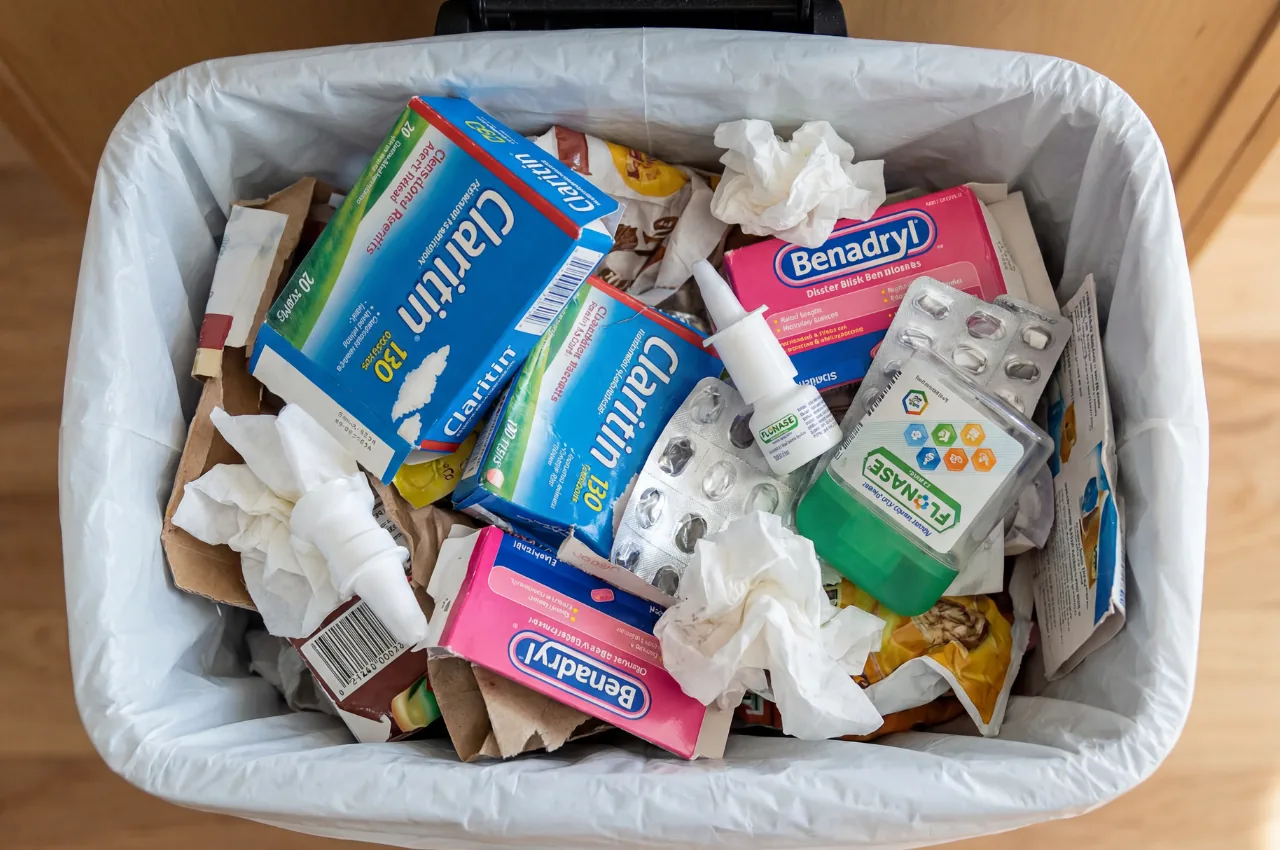
Most allergy products manage symptoms downstream of the immune response. Sublingual immunotherapy targets the response itself.
The result is a different kind of relief, quiet, cumulative, and present through every allergy season that follows. Nothing to keep taking daily forever, because the tolerance sticks.
Join Thousands Who Finally Broke The Sneeze Spiral Break The Sneeze Spiral for Good
“I'd given up. Six months of Flonase, two air purifiers, dust-mite covers on everything. Nothing held. Four months on Curex and I made it through my first spring in a decade without a single Zyrtec. I'm not going off this.”
Marcus T., Verified Patient
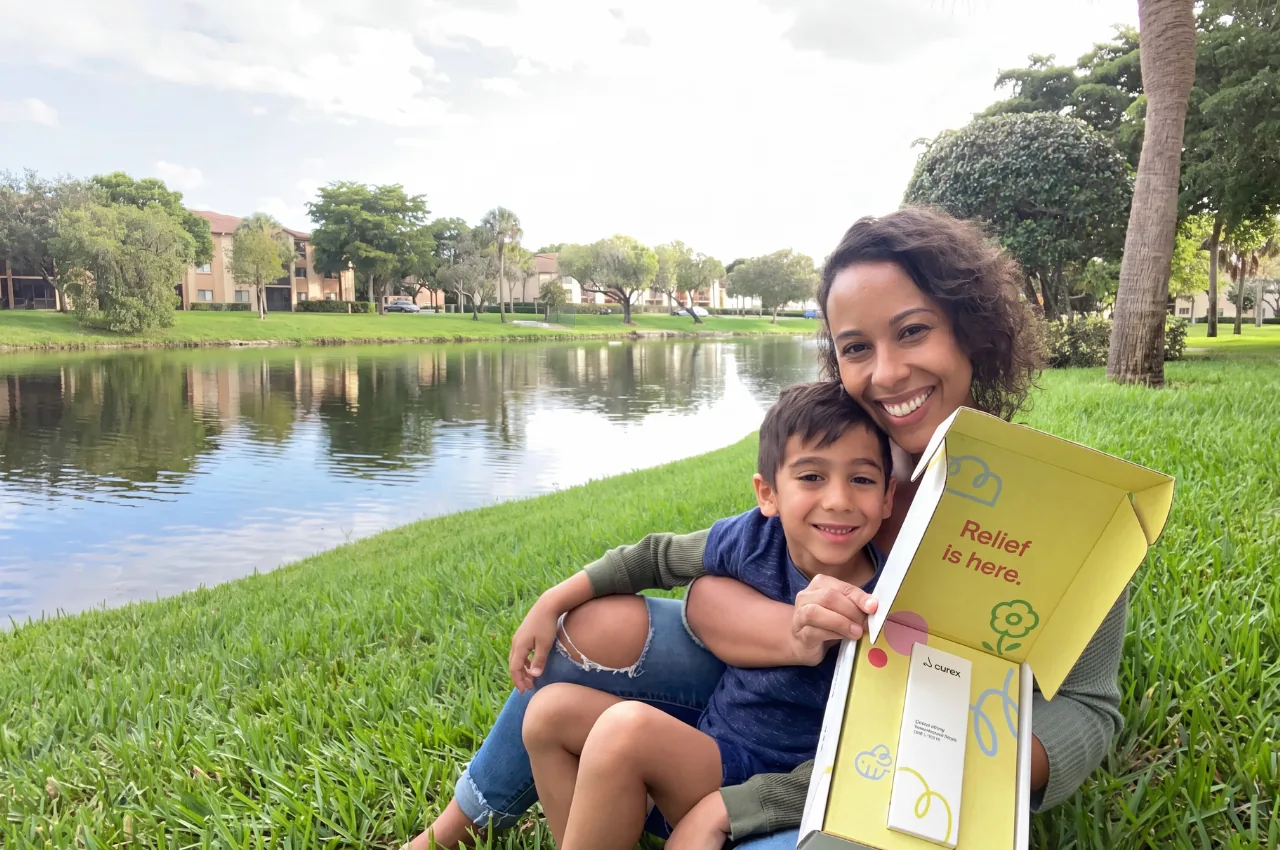
Demand for Curex sublingual immunotherapy has climbed each of the last four allergy seasons. The current onboarding window is the widest yet, but with recent press coverage and pollen counts running higher year over year, appointment slots aren't expected to last through the month.
YOU HAVE TWO CHOICES:
Stay trapped in the daily-pill cycle, hoping next season's pollen count is lower and next year's over-the-counter blend is the one that finally works.
Or, take the free quiz, start prescription drops, and break the Sneeze Spiral for good before the trees wake up again.

2 Months of Immunotherapy Free
New patients get 2 months of Curex sublingual immunotherapy free, applied automatically when you complete the free 60-second allergy quiz.
Get 2 Months Free- Prescription, custom-compounded to your allergens
- Reviewed by a U.S. licensed doctor
- Cancel any time, no long-term commitment
2 months free applies to new annual immunotherapy plans partnered with Curex. Standard plan pricing applies after the free period; cancel anytime.
Saying After Curex
“I'd given up on antihistamines. Tried Curex after my sister sent me the quiz link, four months later I made it through peak Austin cedar season without a single pill. Genuinely the first year in a decade my eyes weren't swollen shut.”
Marcus T. · Verified patient
Austin, TX
“I write from home and dust-mite reactivity had me on Zyrtec every single morning. Six months in, I stopped taking anything. The drops are painless. It feels like nothing is happening until suddenly it's clearly working.”
Elise K. · Verified patient
Brooklyn, NY
“What I appreciate most is the absence of side effects. No drowsiness, no rebound congestion, no daily calendar reminder to take a pill. Just a slow, steady improvement I can measure by how often I open the medicine cabinet.”
Daniel R. · Verified patient
Portland, OR
“I'm a nurse and I do not endorse telehealth companies lightly. The prescription flow was real, a licensed physician reviewed my test results before anything shipped. I've now been on Curex for eight months and my pet-dander reactivity is a fraction of what it was.”
Priya S. · Verified patient
San Francisco, CA
“Took about six weeks to notice anything meaningful, but the second half of pollen season was noticeably lighter than every year before. Wish I'd started in the fall instead of March.”
Jordan M. · Verified patient
Denver, CO
“My allergist husband approved this one. He said sublingual immunotherapy is well-established and the delivery model was reasonable. That was enough for me. Glad I listened. First cat visit without a reaction in years.”
Hannah W. · Verified patient
Boston, MA
Frequently asked questions
What exactly is sublingual immunotherapy?
A well-established treatment first used clinically in the 1930s and standard care across Europe for decades. Immunologists studying allergic response have long documented it as one of the only interventions that produces long-lasting tolerance rather than daily symptom suppression. It works by delivering micro-doses of your specific allergens under the tongue, where a dense network of tolerance-inducing immune cells lives.
How is Curex different from over-the-counter allergy pills?
Antihistamines block histamine after the immune reaction has already fired, you take one every day forever and stop the moment the pill runs out. Curex is a prescription written by a U.S. licensed doctor for the exact allergens you react to, and works on the immune system itself so the effect compounds and eventually lasts even after treatment ends.
What does it feel like, and how long until I notice it?
A quiet, cumulative reduction in reactivity rather than an immediate blockade. Less ‘the reaction was stopped,’ more ‘the reaction never started.’ Most patients report their first noticeable shift between weeks 6 and 12 of daily drops. Consistent daily dosing matters more than dose strength, missing a week during buildup can reset progress.
Is it safe daily, and what are the side effects?
Sublingual immunotherapy has 90+ years of clinical history and an established safety profile. The most common side effect is mild oral itching or tingling under the tongue for a minute or two after a dose. Serious reactions are rare. It is not appropriate for people with severe uncontrolled asthma or certain autoimmune conditions, your Curex doctor will review your history before prescribing.
How do I get started, and what's the guarantee?
Complete the free 60-second quiz. If you qualify, Curex ships an at-home allergy test kit. Results are reviewed by a U.S. licensed doctor who prescribes custom-compounded drops for your specific allergens. Cancel any time, you're not locked into a multi-year contract. If drops don't work as expected within 90 days, Curex issues a refund.
FINAL OFFER
Ready to see what an allergy season without pills feels like?
Ninety days to notice the shift. If the drops don't deliver, send them back for a refund, bottle included.
Get 2 Months Free2 months free applies to new annual immunotherapy plans partnered with Curex. Free U.S. shipping · Cancel any time